Why Your LinkedIn Posts Get No Reach (And How to Fix It)
Low LinkedIn reach usually starts before the algorithm. Here is what actually kills distribution, what is in your control, and a fix loop that does not depend on engagement pods.
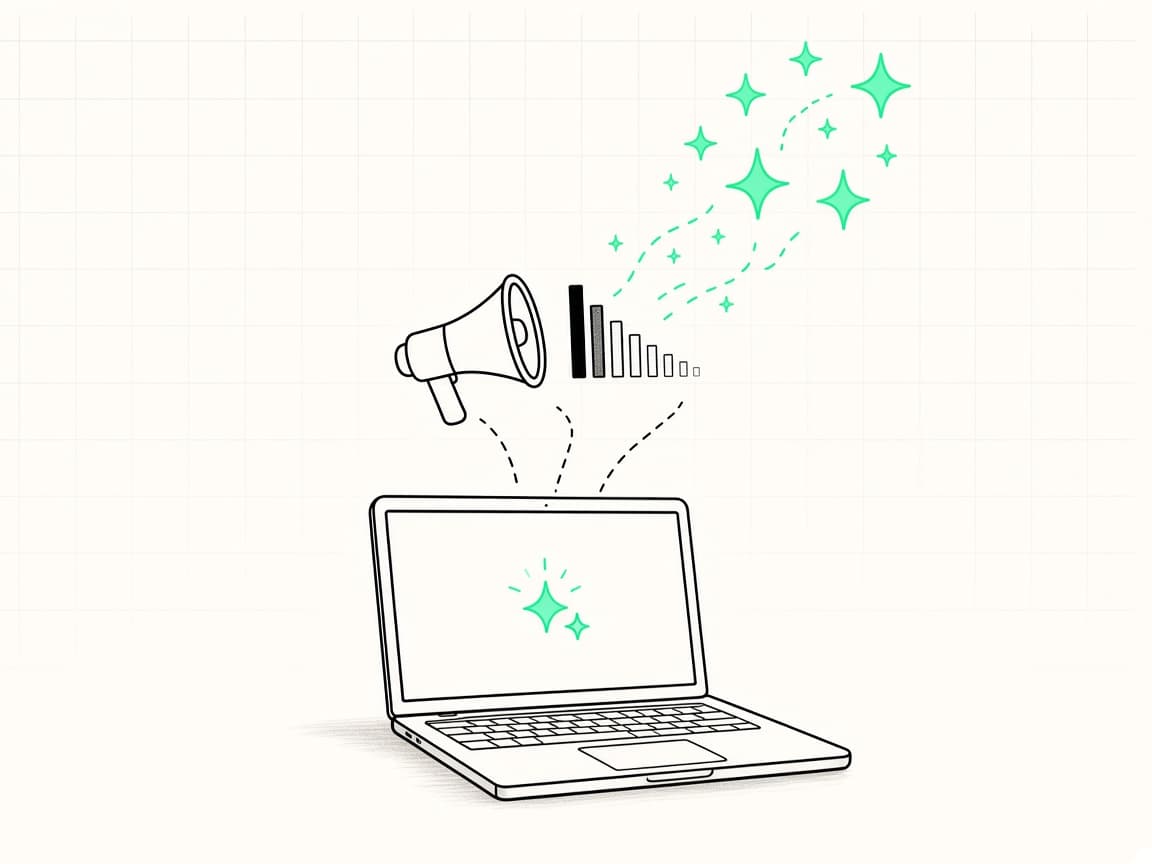
When a post flatlines, the easy story is "the algorithm hates me."
Sometimes distribution is weird. More often the post never gave anyone a reason to stop. Reach is a downstream number. Upstream is clarity, timing, and whether anyone cares enough to talk back.
I agree that LinkedIn's ranking systems matter. I disagree that the first fix is buying a pile of reactions.
Reach is relative to the reader
Value depends on where the reader sits. A beginner still needs commodity advice. An advanced operator skims past it. If your feed is full of "you should post consistently" with no lived detail, you are broadcasting commodity sentences that a million other accounts already own.
Commodity content can help beginners. It rarely creates association with you. Association is what compounds into followers who wait for your next post.
The five reasons posts die (in practice)
1. The first line does not earn the expand
LinkedIn is a skim environment. If line one is a throat clear ("Excited to share…") the rest of the essay never loads. Write the first line like it has to stop a thumb.
2. There is no point of view
"Here are 5 tips for leaders" is open source language. Anyone can generate it. "I fired our weekly standup and this is what broke" is personality content. Same topic, different leverage.
3. You post too rarely to train a habit
The algorithm and the human audience both respond to patterns. One thoughtful post a quarter is a cameo. A cadence your readers can feel is a show.
4. You optimize for early likes from strangers instead of comments from peers
Fast empty engagement can look like success and still fail to create conversation. Comments from people in your world teach the system (and your network) that the post is worth time.
5. You never finish the draft, so you never get data
This is the quiet killer. People study algorithm threads for hours and ship nothing. No post means no reach. Tools and tactics cannot fix a blank page.
For how ranking conversations usually get framed, see how the LinkedIn algorithm actually works. For timing habits, see best days and times to post.
What I would not do first
I would not start with engagement pods or paid reaction packs.
Those products (the Podawaa-shaped category) sell early social proof. Sometimes that changes cold-start math. It does not invent a sentence people associate with your name. If the post is generic, you amplify generic.
LinkGenie does not sell boosts. We take the other bet: help you write and schedule posts that sound like you, through LinkedIn's official API. Different job. Honest split in Podawaa alternative.
A fix loop that compounds
Step 1: Pick a side on three commodity ideas in your niche.
Write them down. Agree or disagree out loud. That becomes approved language.
Step 2: Add one personality detail per post.
A mistake, a number, a place, a client lesson (sanitized). Mundane to you. Specific to everyone else.
Step 3: Ship three posts in seven days.
Not ten. Three finished posts beat twenty outlines.
Step 4: Reply like it is part of the post.
Early conversation is part of distribution and part of brand.
Step 5: Reuse what worked.
When a first line or story lands, that grouping of words is library gold. Remix it. Do not chase a brand new clever angle every time.
Where software helps (and where it does not)
Software helps when the failure is time to first draft or remembering to publish. That is why we built LinkGenie around voice samples, fast drafts, and scheduling.
Software does not help when the failure is you have nothing to say yet. Then the work is experience plus notes, not another prompt.
If blank page is the reason your reach is zero, write the first post free. Two credits. No card. Judge the tool by whether you published, not by a vanity spike in hour one.