How Many LinkedIn Followers Do You Need to Make Money? (2026 Reality Check)
The honest answer to how many LinkedIn followers you need to get clients, land opportunities, or make money — why engagement beats follower count, and the milestones that actually matter.
It's the question everyone secretly asks: how many LinkedIn followers do I actually need before this starts paying off?
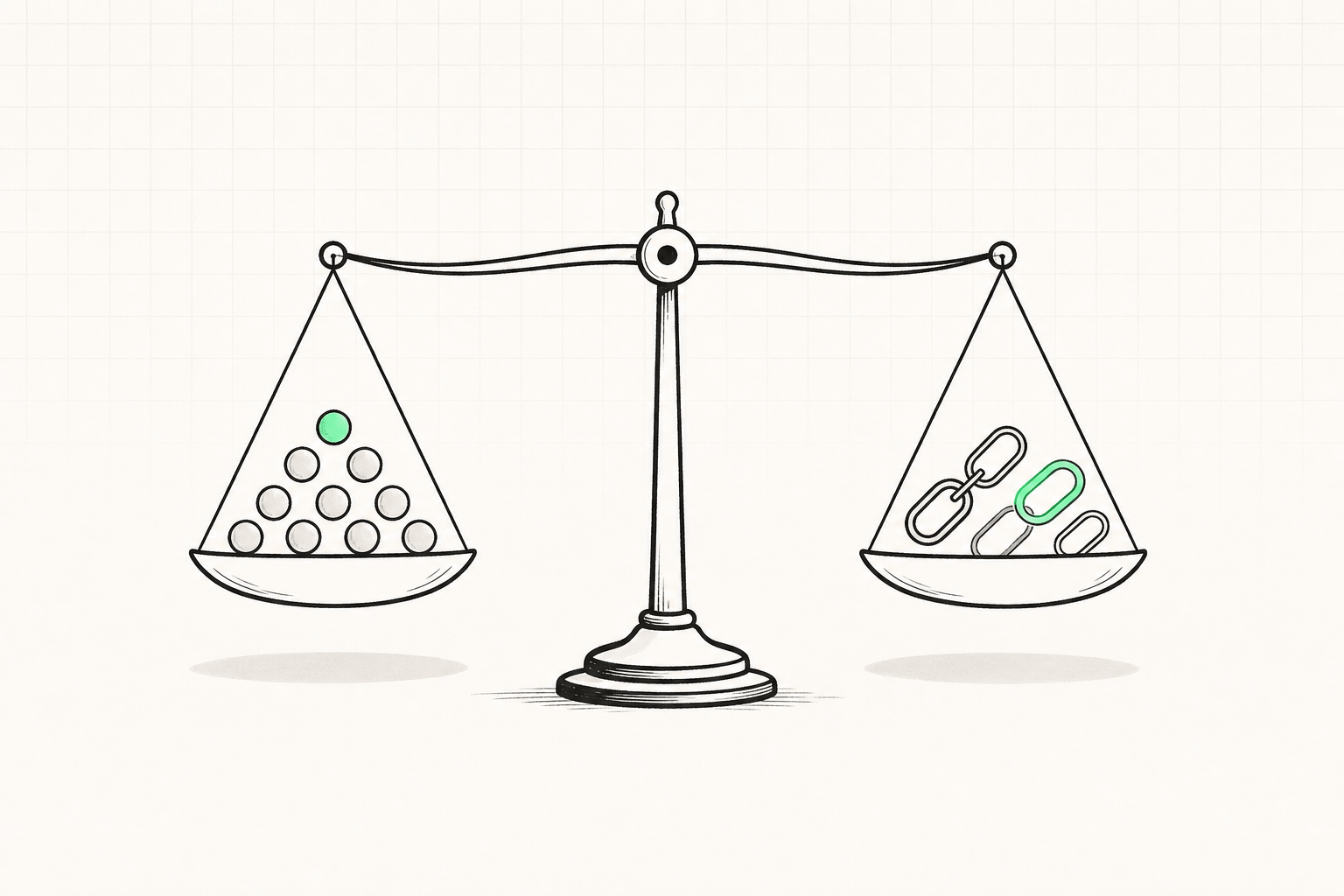
The unsatisfying-but-true answer: fewer than you think, if they're the right ones. LinkedIn isn't Instagram. A 2,000-follower account full of your exact buyers is worth more than a 50,000-follower account of strangers who never engage.
Let's break down what the numbers really mean.
Followers are reach potential, not money
A follower count is just how many people could see your posts. What turns reach into results is:
- Relevance — are these the people who'd hire you, buy from you, or refer you?
- Engagement — do they comment, reply to DMs, click your links?
- Trust — have they seen enough from you to believe you're good at what you claim?
A small, relevant, engaged audience beats a big, cold one every time. That's why buying followers is worse than useless — it inflates the vanity number while destroying the engagement rate that actually drives reach.
Rough milestones and what changes at each
These aren't rules, just patterns worth knowing:
0–500 followers — the foundation. Nobody's watching yet, which is the best time to find your voice. Post consistently, engage on bigger accounts, and get your profile and headline sharp. Every early follower who engages teaches the algorithm who to show you to next.
500–2,000 — the traction zone. Posts start reaching beyond your immediate network. If your niche is clear, this is often where the first inbound message — a client, a collaboration, a job lead — shows up. You do not need 10,000 followers to make your first money on LinkedIn.
2,000–10,000 — the compounding zone. Social proof kicks in. New visitors see a real audience and are more likely to follow. Milestones here are worth celebrating publicly — turn the number into a graphic with our free milestone graphic maker to mark it and pull in more followers through social proof.
10,000+ — the leverage zone. At this point reach is rarely the bottleneck; consistency and offer clarity are. Plenty of people monetize far earlier — this level is about scale, not survival.
The metric that matters more than followers
If you track one number, track engagement rate: engagement divided by followers (or impressions). A 3% engagement rate on 1,000 followers signals a healthier, more monetizable audience than 0.2% on 20,000.
Engagement rate is also what the algorithm optimizes for. Want the full picture of what it rewards and suppresses? Read how the LinkedIn algorithm actually works.
So what should you actually do?
Stop chasing a follower number and chase the behaviors that produce one:
- Post consistently — see the best days and times to post.
- Make every post skimmable and lead with a strong hook.
- Engage in the first hour and reply to everyone.
- Grow real followers, never bought ones — here's how to get more LinkedIn followers for free and why buying them backfires.
The money follows the trust. The followers follow the consistency. And consistency is exactly what LinkGenie makes easy — write and schedule strong posts in about 15 minutes a day, so you keep showing up long enough for the compounding to kick in.